

Grade School
Trained to be independent learners, students go through an elementary curriculum that provides integrated and experiential learning leading them to become critical thinkers – able to discuss issues intelligently and make informed decisions.
The Class Programs at the Grade School level provide meaningful and authentic learning experiences, and the inclusion of Robotics and ICT programs in the curriculum enhances the students’ preparedness for a more holistic and practical approach to higher levels of learning.
Centered on the students’ integral formation, special programs such as After-class Special Music Tutorials, Praeter Matematica Eget (PME), Voluntary-basis Outreach Programs, and the God’s Gift Hour are also offered to provide opportunities to explore and hone their skills.
-
![]()
Glorify God through your skills.
-
![]()
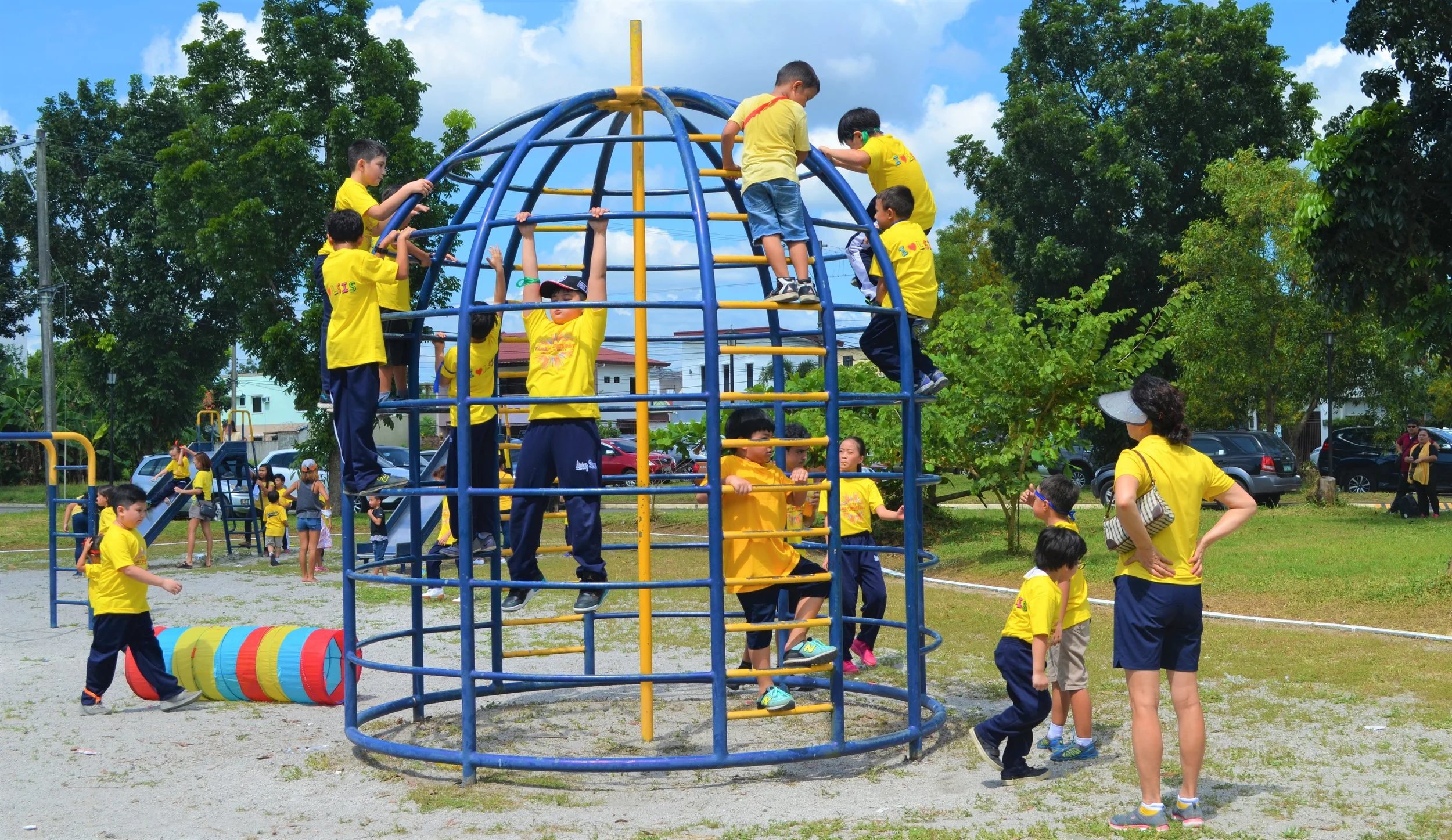
Play, have fun and learn.
-
![]()
Gain practical experience.
-
![]()
Develop responsibility.
-
![]()
Respect individuality.
-
![]()
Learn to make informed decisions.
-
![]()
Think critically and create.


Grade School - Academic Program
The LSIS Academic Programs which highlight integrated approaches cover the following learning areas:
ENGLISH: Considered the “mother tongue” to most of the students, English is taught in an integrated approach focusing on four macro skills: Language, Writing, Reading (with Reading Laboratory Hour), and Speech.
MATHEMATICS:
Patterned after the Japanese approach, this curriculum focuses on "mathematical training" to teach students to think and speak mathematically.
Taught in a spiral progression, it emphasizes learning by doing, mastering computation, and applying concepts to real-world situations while implicitly building core values.
SCIENCE:
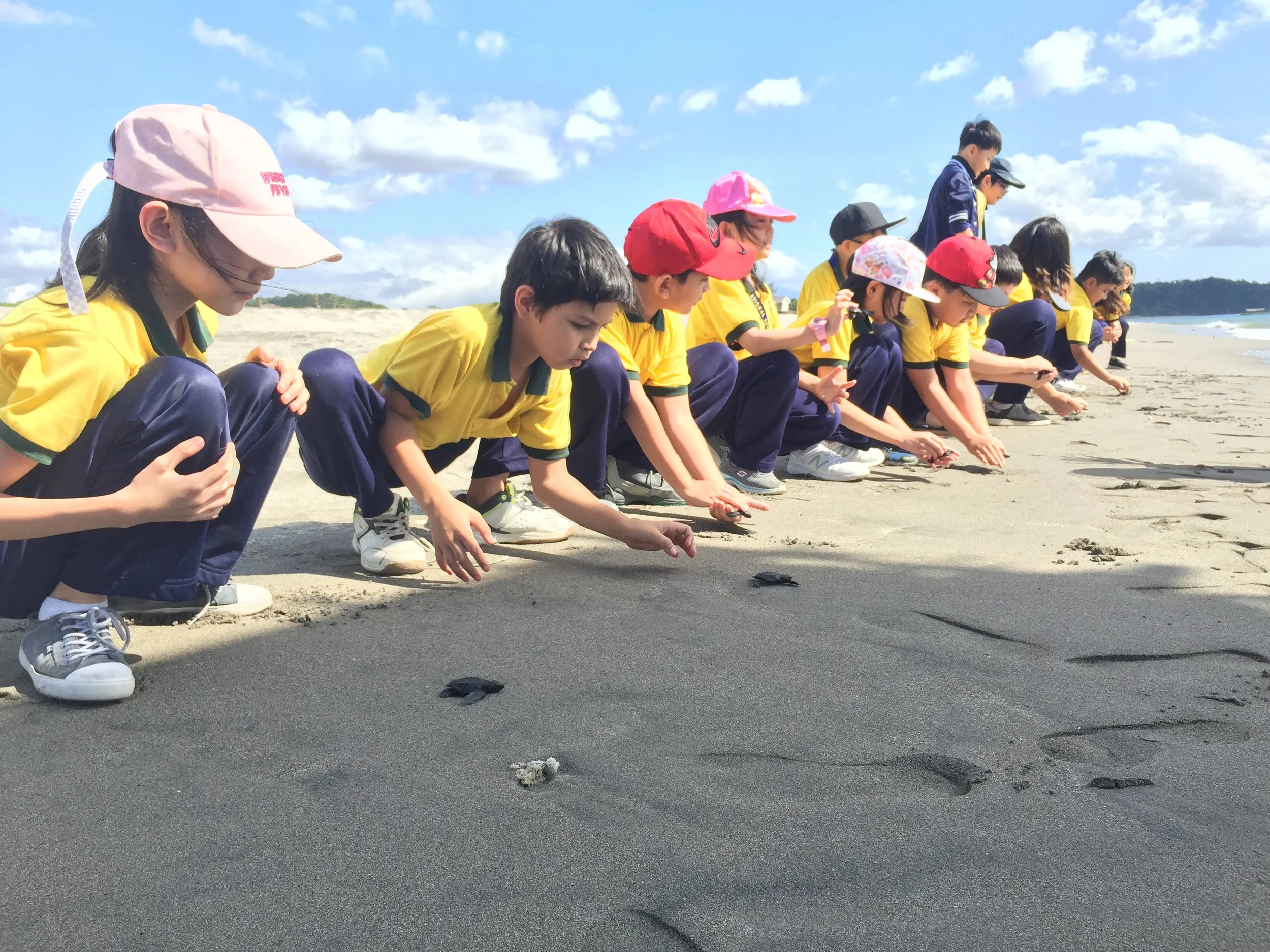
Taught in a spiral progression approach, Science focuses on providing principles and developing the basic skills necessary for a globally competent citizenry. The program places emphasis on the development of process skills, critical thinking skills, and environmental awareness. It also provides
the students with both knowledge and understanding of the scientific approach to problem-solving.
SOCIAL STUDIES:
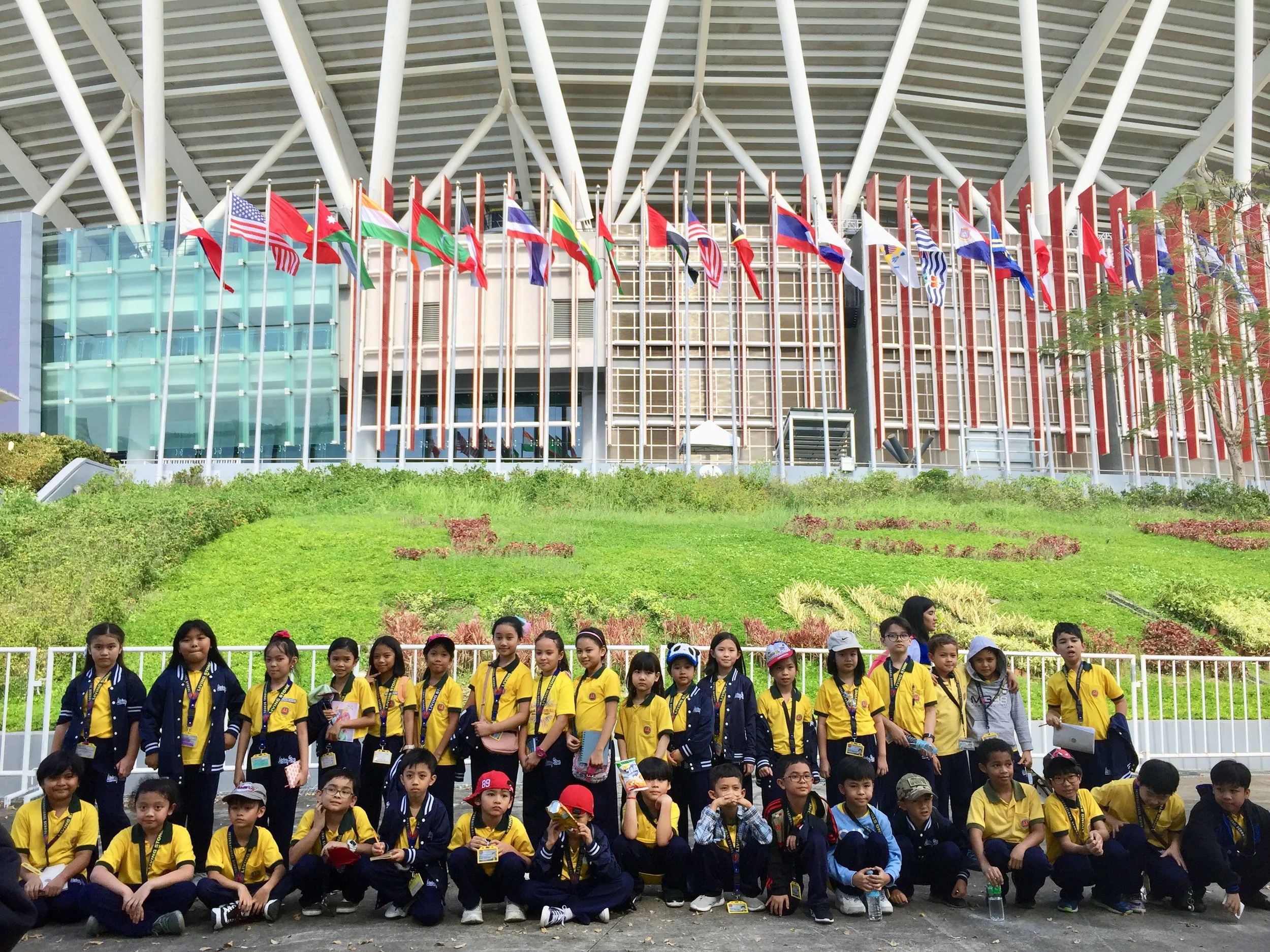
The Social Studies Program is contextualized using local and global settings, and, hence, is taught using student-centered activities and integrated academic outputs.
FILIPINO:
Considered as the mother tongue to a number of students, Filipino is also taught to build and enhance the macro skills: speaking, writing, listening, and reading.
Special Filipino Classes are offered to non- Filipino students in lieu of the regular Filipino classes.
This aims to teach Filipino as a foreign language or second language to students who have no conversational or academic background in the use of the language.
MAPEH (Music, Arts, Physical Education, & Health):
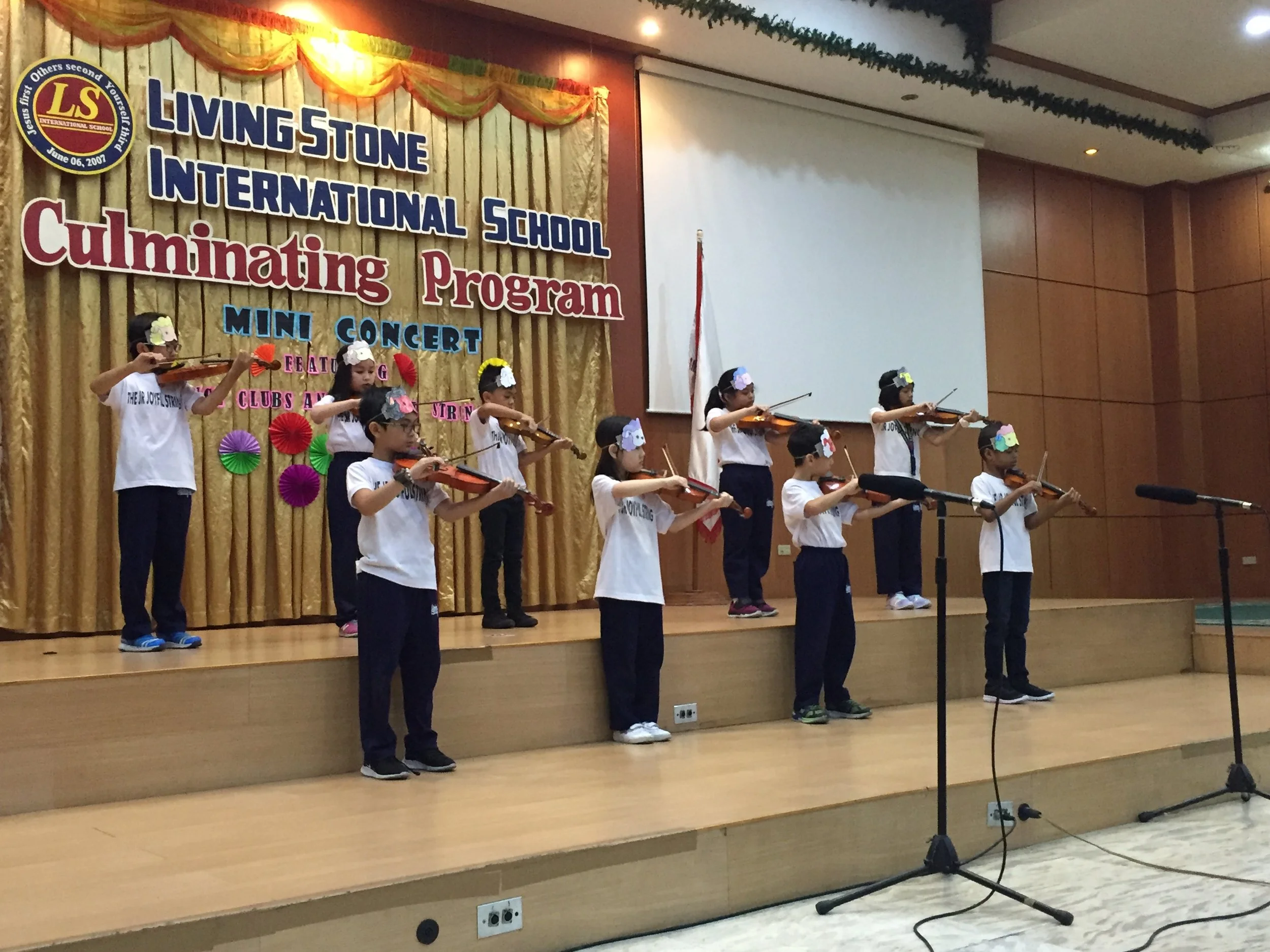
Music at the elementary level primarily focuses on note reading and music appreciation using various musical instruments.
Through integrated teaching approaches and various hands-on activities, Arts, PE, and Health class programs provide an authentic learning experience for the students.
HELE (Home Economics & Livelihood Education):
HELE is taught in three modules at the intermediate level. These vary from Sewing, Basic Cooking, and Housekeeping.
ICT:
taught through hands-on learning activities that promote digital literacy. Scratch Programming, Computer-aided Design, Digital Animation, and the application of Microsoft Office are some of the modules that are focused on at the Grade School level.
This allows students to use ICT as a tool for lifelong learning and gearing systems are developed and applied in output-based activities such as building simple and complex machines.
ROBOTICS:
is also made part of the Academic Program in the Grade School and Junior High School.
At the grade school level, basic skills in programming and gearing systems are developed and applied in output-based activities such as building simple and complex machines.
GOOD MANNERS & RIGHT CONDUCT(GMRC):
Being the core of the curriculum, Values Education touches the very heart of all academic programs. It is the ultimate goal of every subject area to mold the students to become conscientious and responsible citizens, independent, and God-fearing global leaders in the future. It is divided into three sub-areas: Values Formation (includes class activities, outreach, witnessing, and immersion), and Worship Service (once weekly) for Grades 3 to 6 students only.
Student Activity: God’s Gift Hour (GGHr):
In line with the objective of providing holistic education to the students, the God’s Gift Hour (GGHr) is made part of the class programs on Wednesdays (for Primary) and on Thursdays (for Intermediate Level) where students are required to choose one activity program (or club).
The student activities aim to provide opportunities for all students to recognize, hone, and develop their God-given talents and skills. The list of clubs and their descriptions are given to the students at the Club fair, which usually happens two weeks after the opening of classes.